Top Tips for Designing Functional Landscapes for Homes
- elizabethoc1church
- Mar 5
- 4 min read
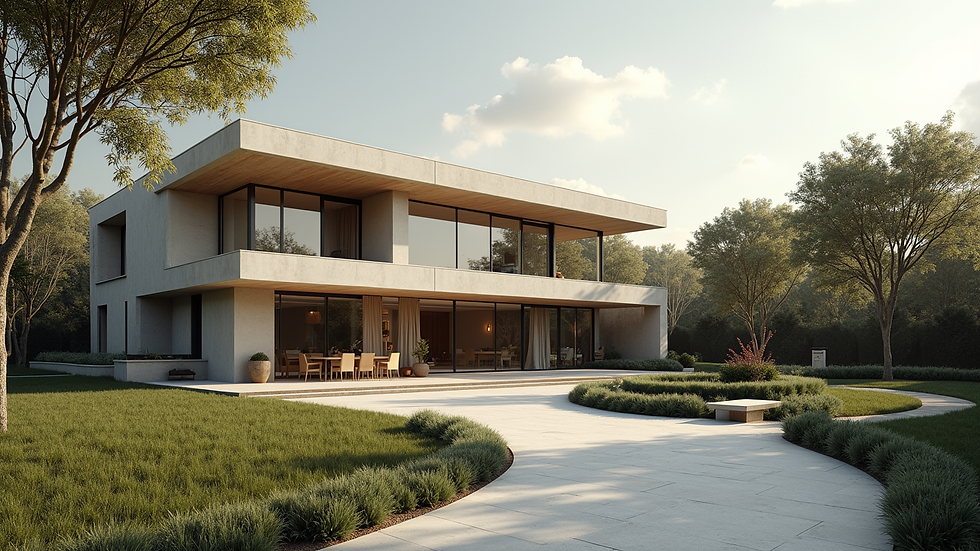
Creating a functional landscape for your home is not just about aesthetics; it’s about enhancing the usability of your outdoor space while ensuring it complements your lifestyle. A well-designed landscape can transform your yard into a sanctuary, a play area for children, or a space for entertaining guests. In this blog post, we will explore essential tips for designing landscapes that are both beautiful and functional.
Understanding Your Space
Before diving into design, take the time to understand your space. Consider the following aspects:
Assess the Site
Sunlight: Observe how sunlight moves across your yard throughout the day. Identify areas that receive full sun, partial shade, or full shade.
Soil Quality: Test your soil to determine its pH and nutrient levels. This will guide your plant choices.
Drainage: Look for areas where water tends to pool. Proper drainage is crucial for plant health.
Define Your Needs
Think about how you want to use your outdoor space. Here are some common needs to consider:
Entertainment: Do you want a patio or deck for hosting gatherings?
Play Areas: Are there children or pets that need space to play?
Gardening: Do you want to grow vegetables or flowers?
Creating Zones
Once you understand your space and needs, the next step is to create distinct zones within your landscape. This helps in organizing the area and making it more functional.
Functional Areas
Dining Area: Designate a space for outdoor dining, complete with a table and chairs. Consider adding a pergola for shade.
Relaxation Zone: Create a quiet nook with comfortable seating, perhaps surrounded by fragrant plants.
Play Area: If you have children, include a safe play area with grass or mulch and equipment like swings or a sandbox.
Flow and Accessibility
Ensure that there is a natural flow between different zones. Pathways should be clear and accessible. Use materials like gravel, stone, or pavers to define these paths.
Choosing the Right Plants
Selecting the right plants is crucial for a functional landscape. Here are some tips to guide your choices:
Native Plants
Opt for native plants that are well-adapted to your climate and soil conditions. They require less maintenance and are more resistant to pests and diseases.
Seasonal Interest
Choose a mix of plants that provide color and interest throughout the seasons. Incorporate:
Spring Blooms: Tulips and daffodils
Summer Foliage: Hostas and daylilies
Fall Color: Maples and ornamental grasses
Winter Structure: Evergreens and bark textures
Edible Landscaping
Consider integrating edible plants into your landscape. Herbs, fruit trees, and vegetable gardens can enhance both the beauty and functionality of your space.
Incorporating Hardscaping
Hardscaping refers to the non-plant elements of your landscape, such as patios, walkways, and walls. These features can greatly enhance functionality.
Patios and Decks
A well-placed patio or deck can serve as an outdoor living room. Use materials that complement your home’s architecture.
Retaining Walls
If your yard has slopes, retaining walls can create level areas for planting or seating. They also help with drainage and soil retention.
Fencing and Privacy Screens
Consider adding fencing or privacy screens to create secluded areas. This can enhance your outdoor experience, especially in urban settings.
Water Features
Incorporating water features can add tranquility and beauty to your landscape. Here are some options:
Ponds and Streams
A small pond or stream can attract wildlife and create a peaceful atmosphere. Ensure it is designed with safety in mind, especially if children are present.
Fountains
Fountains can serve as focal points and provide soothing sounds. They can be as simple or elaborate as you desire.
Sustainable Practices
Designing a functional landscape also means considering sustainability. Here are some practices to incorporate:
Rain Gardens
Create rain gardens to manage stormwater runoff. These gardens are designed to absorb excess rainwater and can be filled with native plants.
Composting
Set up a compost area to recycle kitchen scraps and yard waste. This not only reduces waste but also provides nutrient-rich soil for your plants.
Xeriscaping
If you live in a dry climate, consider xeriscaping. This landscaping method uses drought-resistant plants and minimizes water use.
Maintenance Considerations
A functional landscape requires ongoing maintenance. Here are some tips to keep your outdoor space looking its best:
Regular Upkeep
Mowing: Keep grass areas trimmed and healthy.
Pruning: Regularly prune shrubs and trees to promote healthy growth.
Weeding: Stay on top of weeds to prevent them from taking over.
Seasonal Tasks
Mulching: Apply mulch in spring to retain moisture and suppress weeds.
Fertilizing: Use organic fertilizers to nourish your plants throughout the growing season.
Conclusion
Designing a functional landscape for your home is an exciting journey that can greatly enhance your outdoor living experience. By understanding your space, creating distinct zones, choosing the right plants, incorporating hardscaping, and considering sustainability, you can create a landscape that is not only beautiful but also practical.
Take the time to plan and implement these tips, and you will enjoy a functional outdoor space that meets your needs for years to come. Start your landscaping project today and transform your yard into a functional haven!


Comments